Overview
Humanoid robotics has evolved from a sci-fi dream to a cutting-edge field shaping industries and everyday life. These robots, designed to mimic human form and behavior, are transforming sectors like manufacturing, healthcare, and even entertainment. With companies like Tesla, Boston Dynamics, and Figure AI leading the charge, humanoid robots are becoming more capable, intelligent, and versatile.
This article explores the technology behind humanoid robots, their applications, and their impact on society. Whether you’re a robotics enthusiast or a professional, this deep dive will help you understand the remarkable strides being made in humanoid robotics.
Technology Breakdown
Humanoid robots are a blend of advanced engineering and artificial intelligence. Here’s how they work:
1. Mechanical Design
- Human-like Form: Most humanoid robots have a head, torso, arms, and legs to perform tasks in environments designed for humans.
- Actuators and Sensors: Actuators mimic muscles for movement, while sensors provide feedback on position, force, and environment.
2. AI-Powered Motion Control
- Machine Learning: AI algorithms enable robots to learn and adapt to new tasks through trial and error.
- Computer Vision: Cameras and vision systems allow robots to interpret their surroundings and make decisions.
- Natural Language Processing (NLP): Some humanoid robots, like Tesla Optimus, are equipped with NLP to understand and respond to human speech.
3. Energy Efficiency
- New battery technologies and lightweight materials are enabling longer operational hours.
- For instance, Tesla Optimus is designed to consume less energy while performing repetitive tasks in factories.
4. Key Examples
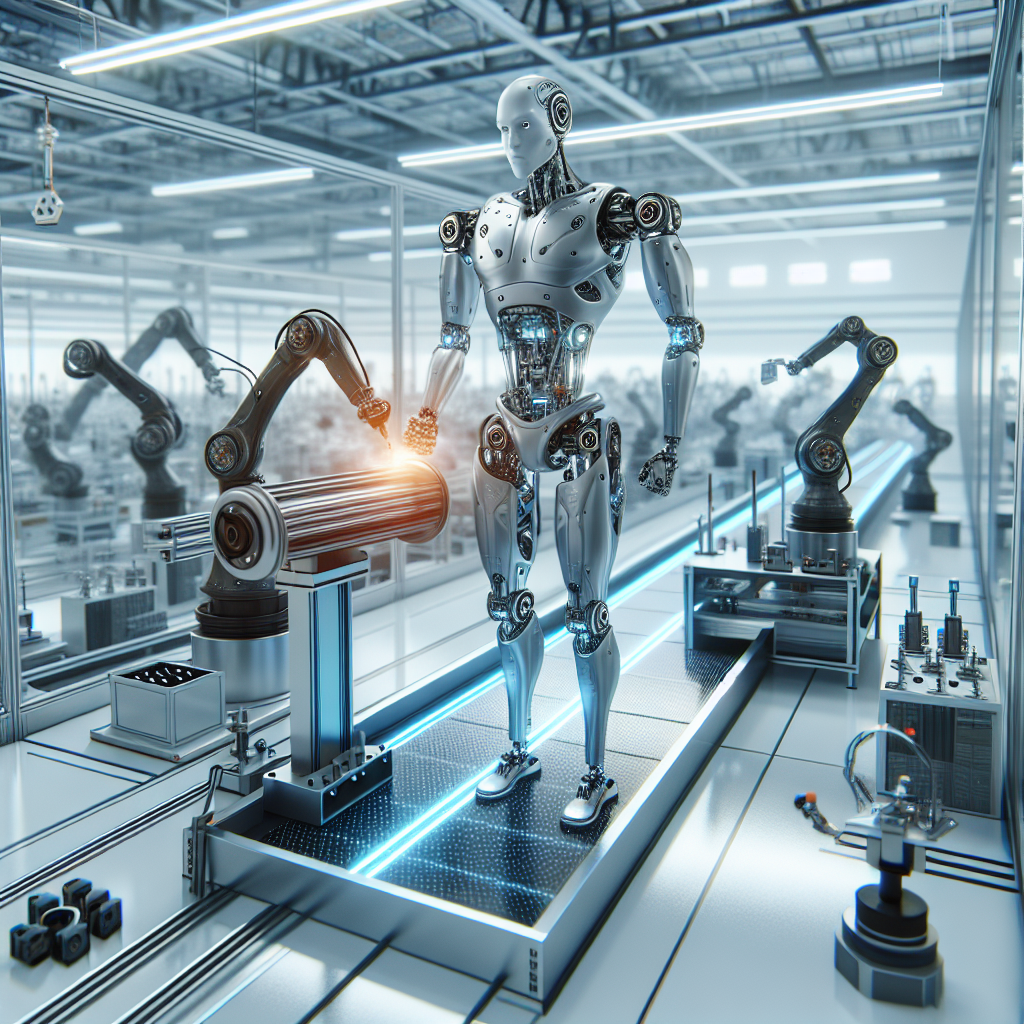
- Tesla Optimus: Aimed at automating repetitive tasks in manufacturing.
- Boston Dynamics’ Atlas: Known for its agility and ability to perform complex movements like backflips.
- Figure AI: Developing robots for labor-intensive industries, focusing on human-robot collaboration.
Industry Impact
Humanoid robots are not just technological marvels; they are changing the way industries operate. Here are some key areas of impact:
1. Manufacturing and Logistics
- Robots like Tesla Optimus are automating repetitive and hazardous tasks, increasing productivity and safety.
- They can work alongside human employees, reducing labor shortages and enhancing efficiency.
2. Healthcare
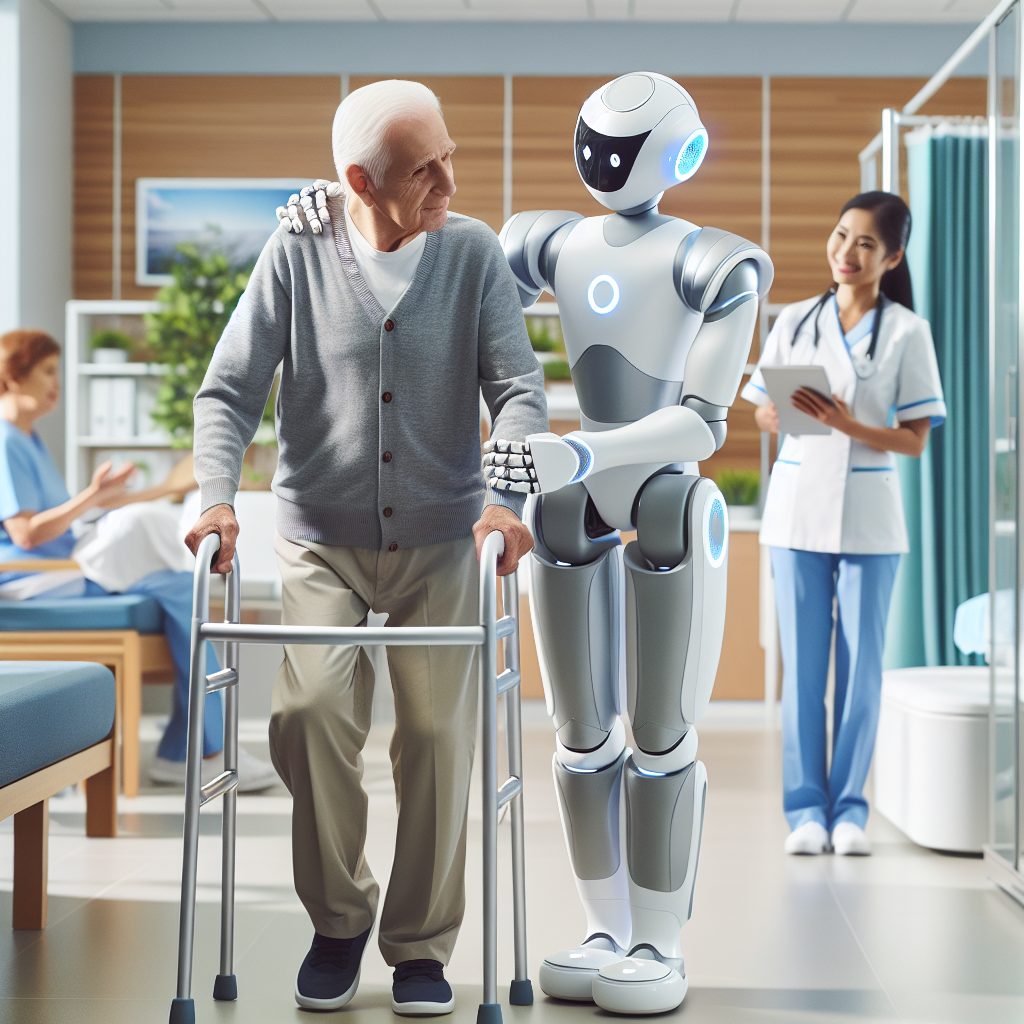
- Humanoid robots assist in surgeries, rehabilitation, and elderly care.
- For example, robots equipped with AI can monitor patients’ vitals and provide emotional support.
3. Service and Retail
- Robots are being used as receptionists, customer assistants, and even waiters.
- These robots can interact naturally with humans, improving customer experiences.
4. Education and Research
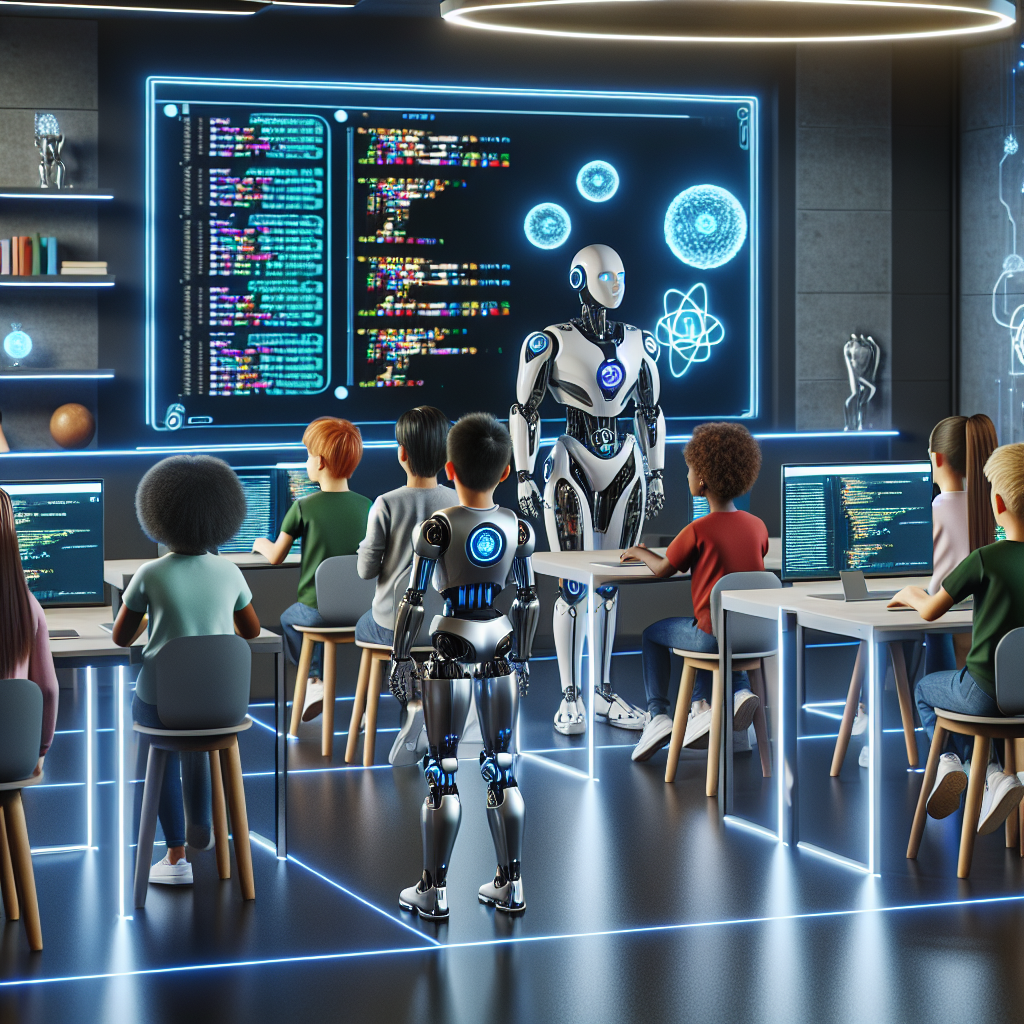
- Humanoid robots are being used in classrooms to teach coding, robotics, and AI.
- In research, they help scientists understand human-robot interaction and develop new AI technologies.
Visual Highlights
Humanoid robots are not just functional; they are also designed to be visually and emotionally appealing. Here are some notable visual and functional elements:
- Ergonomic Design: Robots like Boston Dynamics’ Atlas are designed for fluid, human-like motion.
- Interactive Displays: Some humanoid robots feature screens for facial expressions or additional information.
- Realistic Movements: Advanced actuators allow for smooth and natural movements, enhancing human-robot interaction.
Conclusion
The rapid advancement of humanoid robotics is revolutionizing industries and reshaping our interactions with machines. From automating tedious tasks to providing companionship, humanoid robots are proving their potential across diverse applications.
As AI and robotics technologies continue to evolve, we can expect humanoid robots to become even more integrated into our daily lives. Whether it’s in factories, hospitals, or homes, these machines are not just tools—they’re partners in building a smarter, more efficient future.
Stay tuned to HumanoidHub.ai for the latest insights into this exciting field.
Related Topics
- Tesla Optimus
- Boston Dynamics Atlas
- AI-powered motion control
- Human-robot collaboration