Overview
Humanoid robotics is no longer a distant dream—it is rapidly becoming an integral part of modern technology. From factories to healthcare, humanoid robots are designed to perform tasks that mimic human actions, often with remarkable precision and efficiency. These robots combine artificial intelligence (AI), advanced sensors, and cutting-edge mechanics to push the boundaries of automation and human-robot collaboration.
In this blog, we’ll explore the fascinating world of humanoid robotics, the technology behind them, their growing impact on industries, and what the future holds.
Technology Breakdown
Humanoid robots are marvels of engineering and software innovation. Here’s a breakdown of their key technological components:
1. Artificial Intelligence and Machine Learning
AI is the brain of a humanoid robot. Through machine learning algorithms, these robots can process vast amounts of data, recognize patterns, and make decisions. For example:
- Computer Vision: Enables robots to perceive their environment, identify objects, and navigate spaces.
- Natural Language Processing (NLP): Allows them to understand and respond to human speech, making interactions more natural.
2. Actuators and Motion Control
Actuators are the "muscles" of humanoid robots, enabling them to move with precision. Advanced motion control systems ensure smooth and realistic movements, whether walking, running, or manipulating objects. Key innovations include:
- Hydraulic Actuators: Provide high power for heavy tasks.
- Electric Actuators: Ideal for precise, fine movements.
- AI-Powered Motion Planning: Algorithms optimize the robot’s movements for efficiency and balance.
3. Sensors and Perception
Sensors are vital for situational awareness. They help humanoid robots gather real-time data from their surroundings. Examples include:
- LIDAR: Used for mapping and navigation.
- Touch Sensors: Allow robots to feel pressure and texture.
- IMUs (Inertial Measurement Units): Help with balance and orientation.
4. Human-Robot Interaction (HRI)
Advanced HRI technologies make humanoid robots more user-friendly. Features such as facial recognition, emotional AI, and intuitive interfaces foster seamless collaboration between humans and robots.
Industry Impact
Humanoid robotics is transforming various industries by addressing challenges and creating new possibilities. Let’s examine a few examples:
1. Manufacturing and Logistics
Humanoid robots are being deployed in factories to automate repetitive or dangerous tasks. For example:
- Tesla Optimus: Designed to handle assembly line tasks, reducing workplace hazards and boosting productivity.
- Boston Dynamics' Atlas: Demonstrates impressive agility in warehouse automation.
2. Healthcare
In healthcare, humanoid robots are playing a key role in patient care and rehabilitation. Notable applications include:
- Assisting elderly or disabled patients with mobility.
- Performing routine medical tasks like monitoring vital signs.
- Providing companionship and mental health support through interactive AI.
3. Education and Customer Service
Humanoid robots are increasingly being used as teaching assistants and customer service agents. For example:
- Robots like SoftBank Robotics’ Pepper can interact with customers in retail settings, answering questions and providing recommendations.
- In classrooms, humanoid robots engage students with interactive lessons and support children with special needs.
4. Entertainment and Social Interaction
Humanoid robots are also finding their way into entertainment and personal use. Robots like Hanson Robotics' Sophia and Ameca by Engineered Arts are designed for conversational AI and social interaction, captivating audiences worldwide.
Visual Highlights
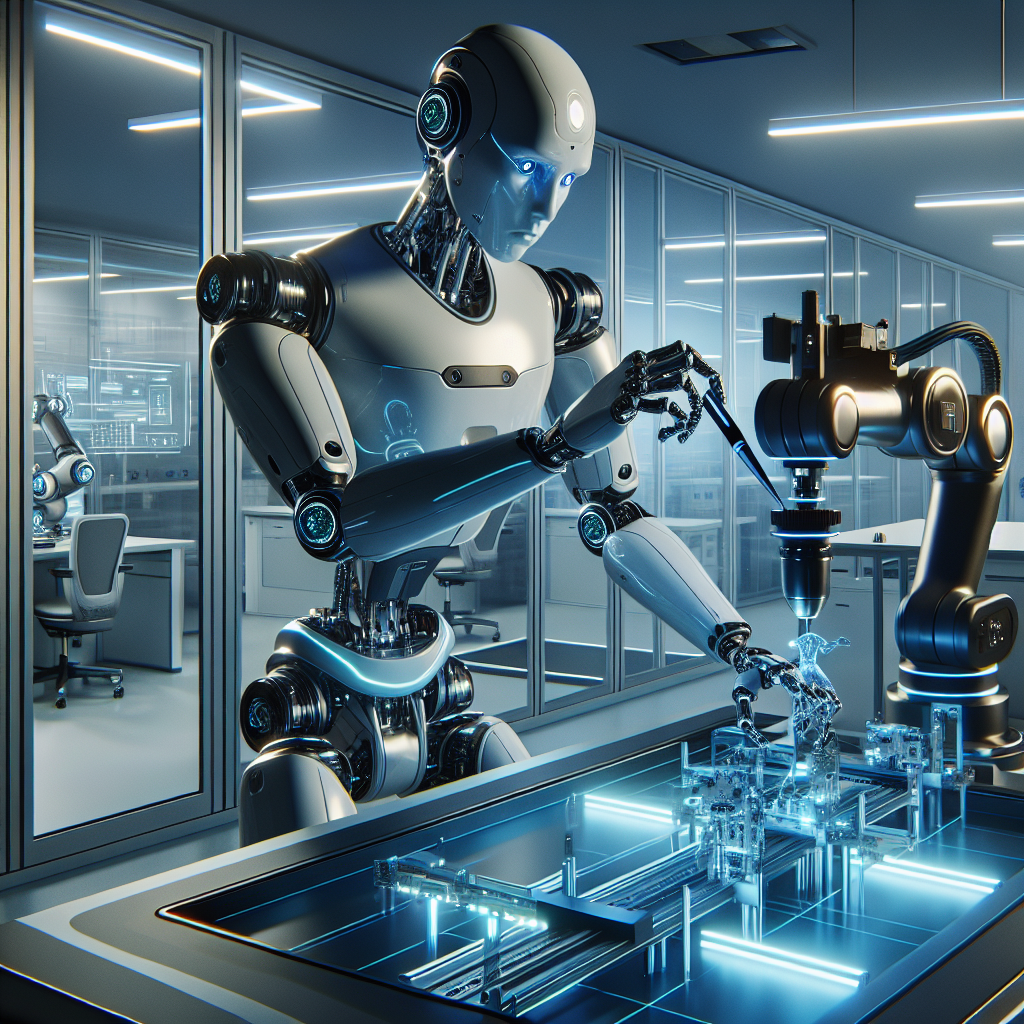
Let’s imagine some captivating scenes that highlight the potential of humanoid robotics:
Conclusion
Humanoid robotics represents a thrilling frontier in technology. With advancements in AI, motion control, and human-robot interaction, these robots are poised to revolutionize industries and improve lives. However, challenges like ethical considerations, cost, and scalability remain critical to address.
As the technology matures, one thing is certain: humanoid robots will play an increasingly prominent role in shaping the future of work, healthcare, and society. Whether you’re an enthusiast or a professional, now is the perfect time to explore the opportunities and innovations in this exciting field.
Related Topics
- Artificial Intelligence in Robotics
- Human-Robot Interaction
- Robotics in Healthcare