Overview
Humanoid robotics has become one of the most exciting fields in engineering and artificial intelligence. These human-like machines are no longer confined to the pages of science fiction—they are walking, talking, and even solving real-world problems in industries ranging from healthcare to manufacturing.
In this blog post, we’ll explore the latest advancements in humanoid robotics, the technologies driving these innovations, and the potential impact on society and industry.
Technology Breakdown
Humanoid robots are designed to mimic human form and behavior, which requires integrating several advanced technologies. Let’s break down the key components:
1. AI-Powered Motion Control
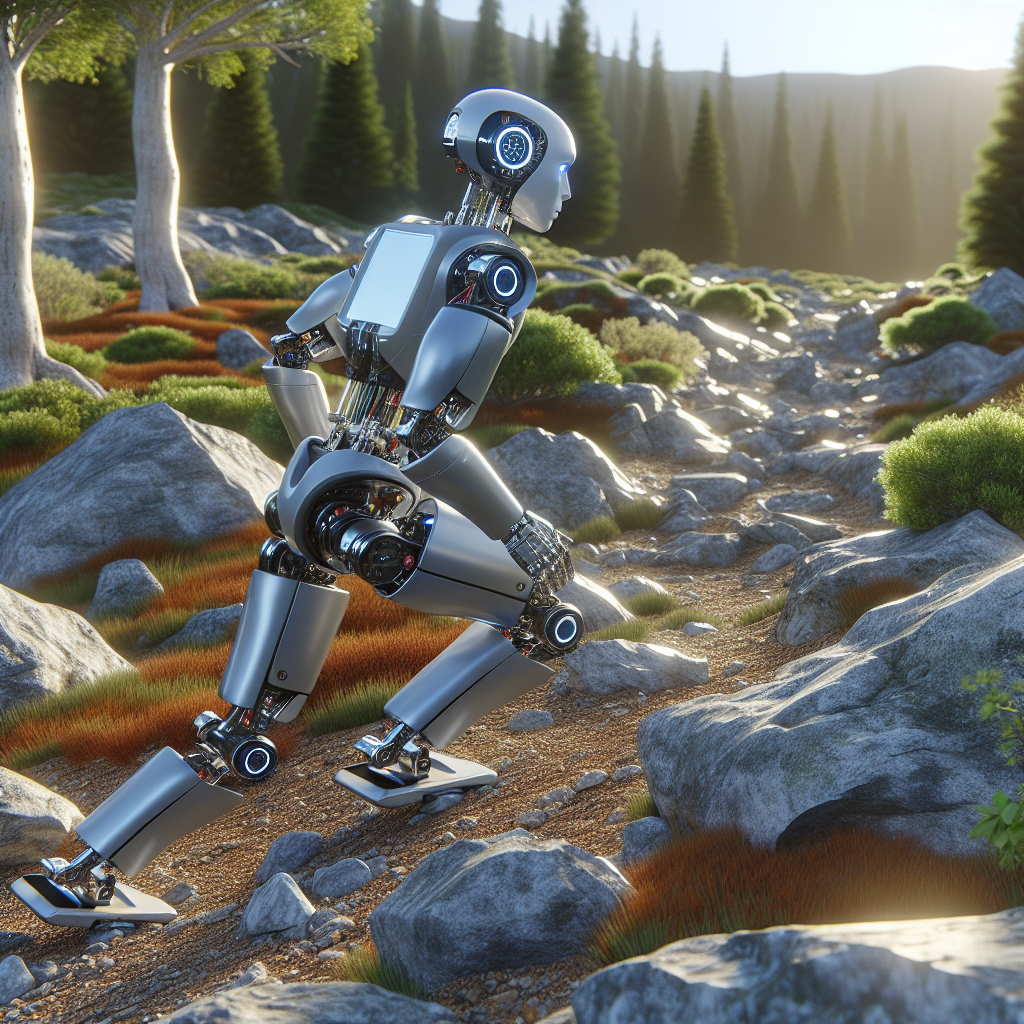
The ability to walk, run, and perform precise movements is powered by AI-driven algorithms. Neural networks enable robots to adapt their motion to changing environments, such as uneven terrain or crowded spaces. For example, Boston Dynamics’ Atlas robot uses real-time data processing to execute acrobatic movements with remarkable fluidity.
2. Advanced Sensors and Perception Systems
Humanoid robots rely on a suite of sensors to perceive their surroundings. These include:
- LIDAR and cameras for spatial awareness.
- Tactile sensors for touch sensitivity.
- Microphones for voice recognition and sound localization.
Tesla Optimus, for instance, uses vision-based AI systems to identify objects and navigate environments autonomously.
3. Human-Robot Interaction (HRI)
Effective communication is critical for humanoid robots. Advances in natural language processing (NLP) allow robots to understand and respond to human speech. Companies like Figure AI are also exploring emotional intelligence in robots, enabling them to interpret facial expressions and tone of voice.
4. Energy Efficiency and Power Systems
Battery life and energy efficiency remain significant challenges. Innovations in lightweight materials and compact batteries are helping humanoid robots operate for extended periods. Unitree Robotics, for example, focuses on creating compact robots with optimized energy consumption for consistent performance.
Industry Impact
Humanoid robotics is poised to transform industries by enhancing efficiency, safety, and accessibility. Here are some key areas of impact:
1. Healthcare
Humanoid robots are being developed to assist with eldercare, physical therapy, and even surgical procedures. Their ability to perform repetitive tasks with precision makes them ideal companions for healthcare professionals.
2. Manufacturing and Logistics
Robots like Tesla Optimus are designed to handle labor-intensive tasks such as assembly line work or inventory management, reducing the burden on human workers while boosting productivity.
3. Public Services
From guiding travelers in airports to serving as receptionists in hotels, humanoid robots are making public spaces more accessible. Robots like SoftBank’s Pepper are already deployed in customer service roles worldwide.
4. Education and Research
Robots are also valuable tools for teaching and learning. They can serve as interactive tutors, helping students grasp complex STEM concepts, or as research assistants in university labs.
Visual Highlights
Humanoid robots are not just technical marvels; they are also visually striking. Their human-like appearance and movements make them fascinating to watch. Whether it’s Boston Dynamics’ Atlas performing a backflip or a Tesla Optimus handling objects with precision, these robots captivate audiences and inspire the next generation of engineers.
Conclusion
The field of humanoid robotics is advancing at an unprecedented pace. With breakthroughs in AI, sensor technology, and energy efficiency, humanoid robots are no longer just experimental prototypes—they are becoming practical tools for industries and individuals alike. As these machines grow more capable and accessible, they promise to revolutionize the way we live and work.
The future of humanoid robotics is bright, and the possibilities are endless. Whether it’s improving healthcare, streamlining logistics, or enhancing education, humanoid robots are set to play a pivotal role in shaping our world.
Related Topics
- Artificial Intelligence in Robotics
- Human-Robot Interaction
- Innovations in Sensor Technology