Overview
Humanoid robotics, a fascinating intersection of engineering and artificial intelligence, has rapidly evolved over the past decade. These human-like machines are designed not only to replicate human motion but also to assist, collaborate, and even coexist with humans in various environments. From healthcare to logistics, humanoid robots are breaking boundaries and redefining what machines can achieve.
One of the most exciting aspects of humanoid robotics is their ability to bridge the gap between humans and technology. With advancements in AI-powered motion control, natural language processing (NLP), and human-robot interaction (HRI), the possibilities seem endless. But how exactly do these robots work? And what impact are they having across industries?
Technology Breakdown
1. The Anatomy of a Humanoid Robot
Humanoid robots are meticulously designed to resemble the human form. Their structure typically includes:
- Actuators: These serve as the "muscles" of the robot, enabling movement. Electric actuators are commonly used for precise and smooth motion.
- Sensors: Cameras, microphones, touch sensors, and gyroscopes allow robots to perceive their surroundings and interact effectively.
- AI Systems: Advanced machine learning algorithms enable robots to understand and respond to complex tasks in real-time.
- Power Systems: Batteries or tethered power sources provide the energy required for operation.
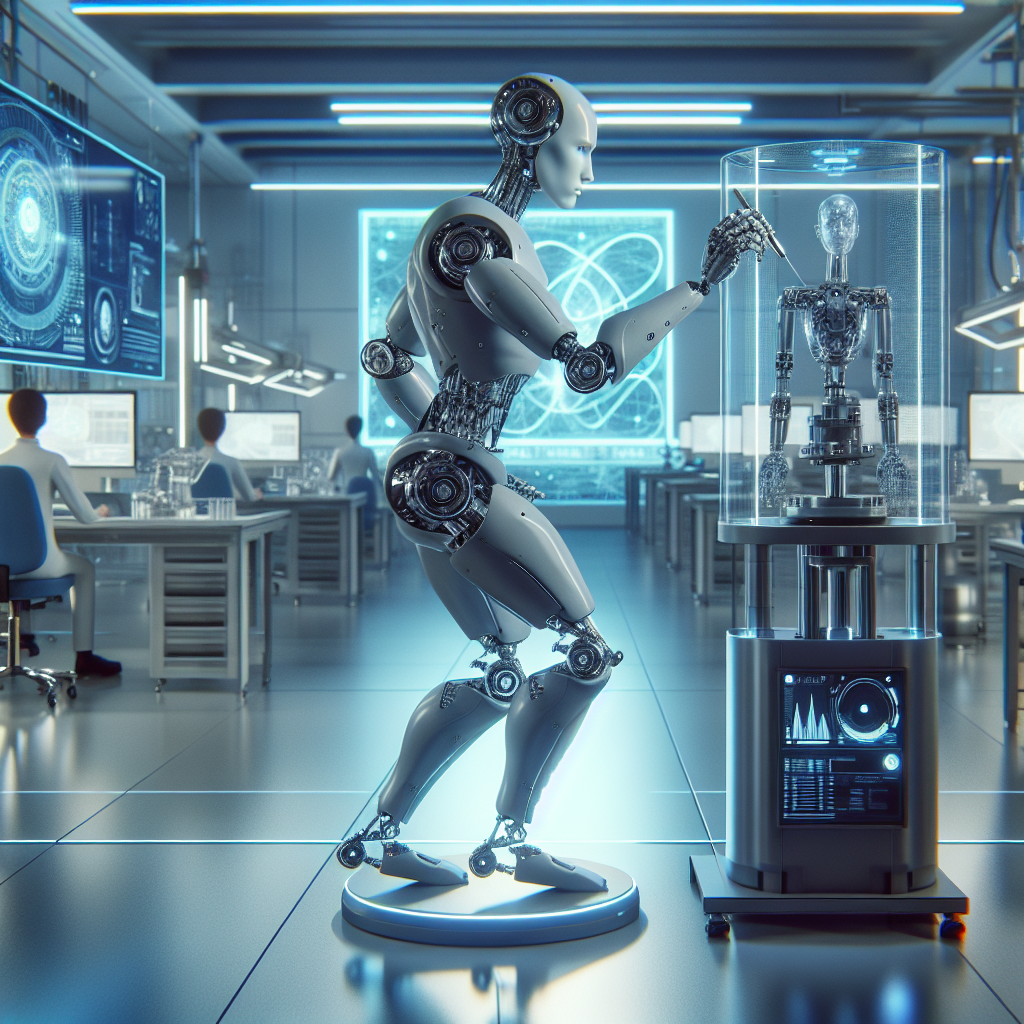
2. AI-Powered Motion Control
The ability of humanoid robots to move fluidly and adapt to dynamic environments is powered by AI-driven motion control systems. Key technologies include:
- Reinforcement Learning: Robots learn optimal motion strategies by trial and error, improving their efficiency over time.
- Dynamic Balancing Algorithms: These ensure robots can maintain stability while walking, climbing, or performing intricate tasks.
- Proprioception: Mimicking human self-awareness, this technology helps robots understand their body position and adjust movements accordingly.
For example, Boston Dynamics’ Atlas robot demonstrates extraordinary agility, performing backflips and navigating uneven terrain with remarkable ease.
3. Human-Robot Interaction (HRI)
A critical component of humanoid robotics is their ability to communicate and collaborate with humans. Natural language processing (NLP) and facial recognition enable robots to:
- Understand spoken commands.
- Detect and respond to emotional cues.
- Work alongside humans in team-based tasks.
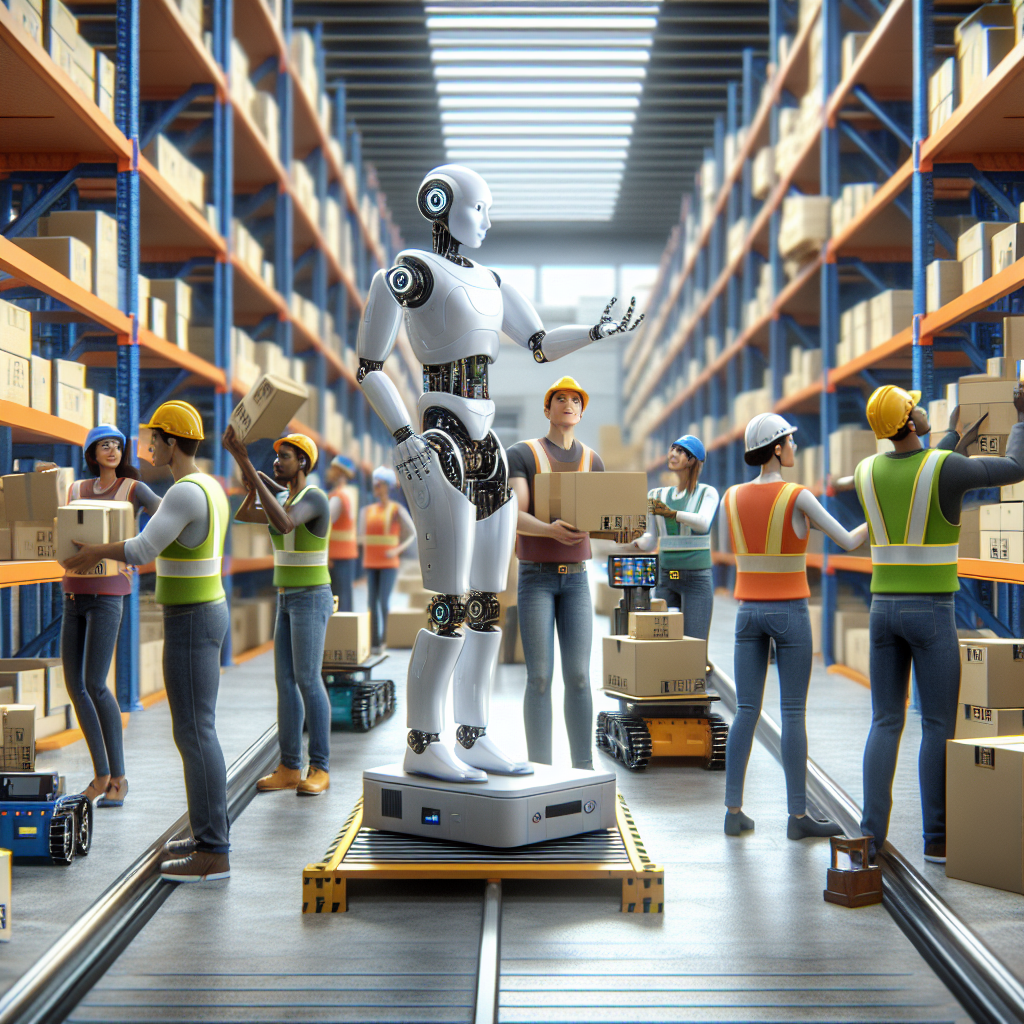
Figure AI's humanoid robots, for instance, are being designed for warehouse automation, where they can assist human workers with lifting, sorting, and transporting goods.
Industry Impact
1. Revolutionizing Healthcare
Humanoid robots are making significant strides in healthcare by:
- Assisting with patient care, such as lifting and transporting individuals.
- Providing companionship for elderly or isolated patients.
- Supporting surgical procedures with precision tools.
For example, Japan’s "Robear" robot assists in eldercare, gently lifting patients from beds to wheelchairs. Such innovations address labor shortages and improve patient outcomes.
2. Transforming Manufacturing and Logistics
In industries like manufacturing and logistics, humanoid robots are enhancing productivity and safety. Their ability to perform repetitive tasks or work in hazardous environments reduces risks for human workers. Companies like Tesla are developing robots like Optimus, designed to handle assembly-line tasks autonomously.
3. Enhancing Education and Customer Service
Humanoid robots are also being integrated into education and retail environments. They can:
- Serve as interactive tutors, making learning engaging and personalized.
- Act as customer service representatives, providing product information and assistance.
For instance, SoftBank’s Pepper robot has been deployed in retail stores and airports, offering a friendly and interactive customer experience.
Visual Highlights
- Real-World Applications: Robots like Boston Dynamics’ Atlas and Tesla Optimus are pushing the boundaries of what humanoid robotics can achieve.
- AI Integration: Technologies like reinforcement learning and NLP empower humanoid robots with human-like adaptability and communication skills.
- Collaborative Potential: From healthcare to logistics, humanoid robots are revolutionizing industries by working alongside humans.
Conclusion
Humanoid robotics is no longer a futuristic dream—it’s a rapidly evolving reality. With advancements in AI, motion control, and human-robot interaction, these machines are poised to transform industries and improve lives. However, as we embrace this technology, ethical considerations, such as job displacement and safety, must be carefully addressed.
As engineers and innovators continue to refine humanoid robotics, one thing is certain: the future of human-machine collaboration is incredibly bright. Whether in healthcare, manufacturing, or education, humanoid robots are becoming indispensable partners in shaping a smarter, more efficient world.
Related Topics
- AI-powered motion control
- Human-robot interaction
- Humanoid robot applications