Overview
Humanoid robotics is at the forefront of technological innovation, blending artificial intelligence, advanced engineering, and human-centric design to create machines that mimic human abilities. From Tesla Optimus to Boston Dynamics’ Atlas, humanoid robots are rapidly transitioning from experimental prototypes to practical tools across various industries. This blog explores the core technologies behind humanoid robotics, their real-world applications, and the profound impact they’re having on society.
Technology Breakdown
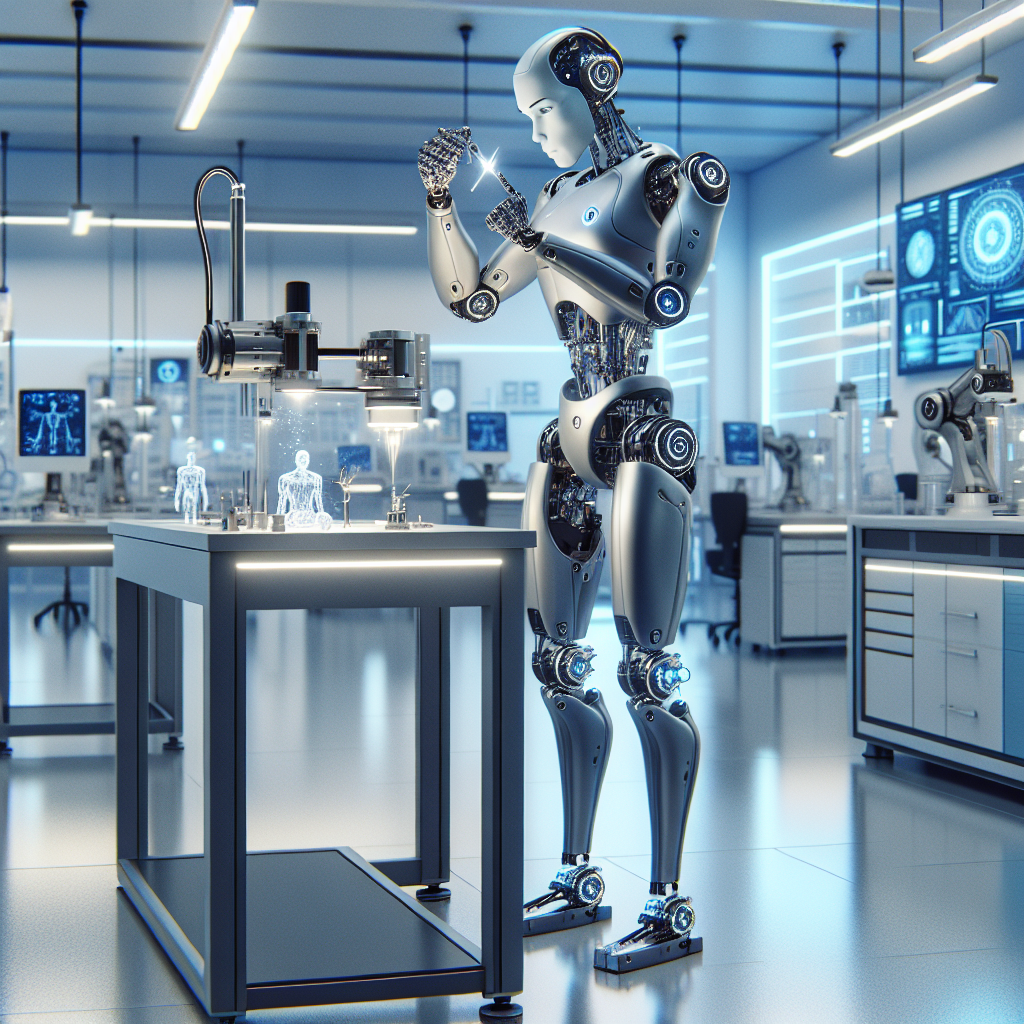
1. Anatomy of a Humanoid Robot
Humanoid robots are designed to replicate human-like form and functionality. Key components include:
- Actuators and Sensors: These serve as the "muscles" and "nerves" of the robot, enabling movement and environmental perception. Advanced actuators allow for precise, fluid motion, while sensors like LiDAR and cameras provide spatial awareness.
- AI-Powered Control Systems: Artificial intelligence drives decision-making, path planning, and real-time adjustments. Machine learning algorithms enable robots to adapt to new tasks and environments.
- Power Systems: Efficient batteries and energy management systems ensure longer operational periods, which is crucial for practical deployment.
- Human-Robot Interaction Interfaces: These include voice recognition, facial expressions, and tactile sensors to improve collaboration with humans.
2. Advanced Features in Modern Humanoids
Some standout features of today’s humanoid robots include:
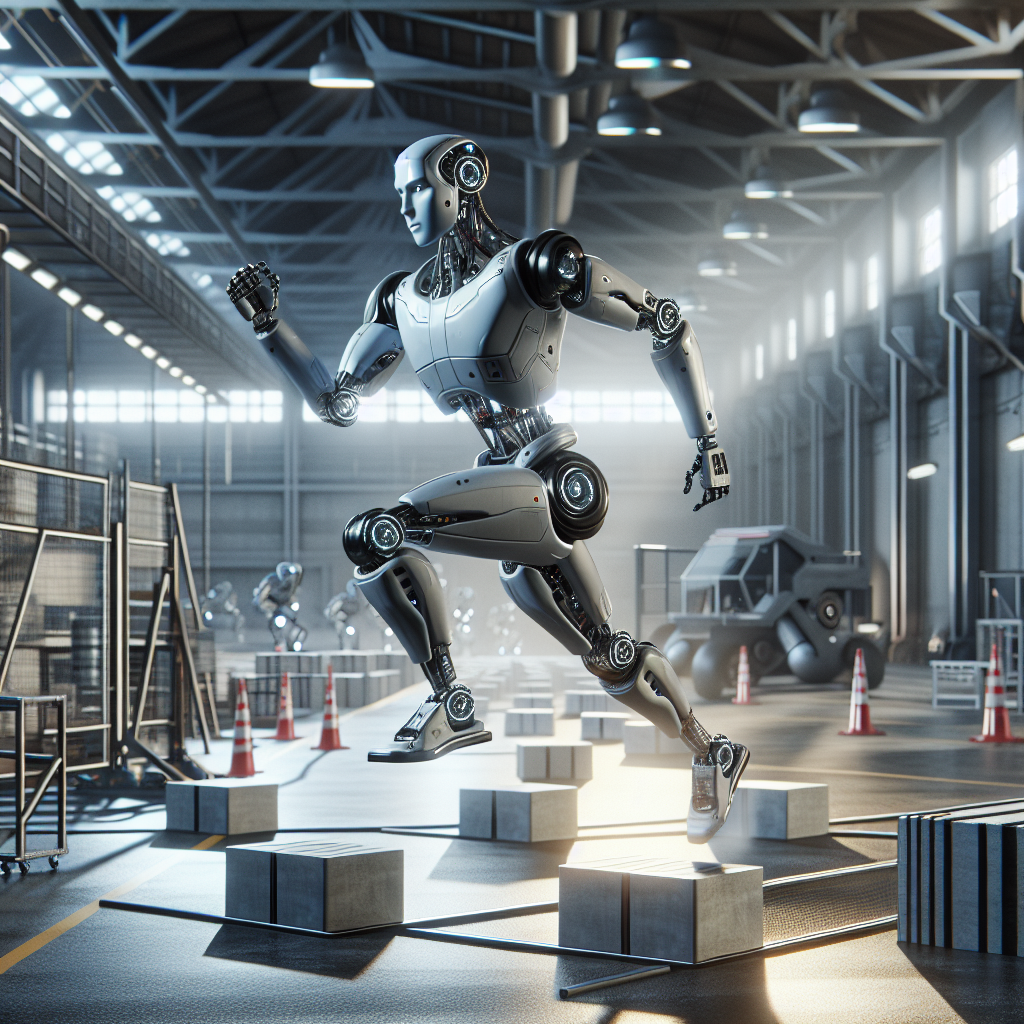
- Dynamic Motion: Boston Dynamics’ Atlas demonstrates acrobatics and parkour-like movements, showcasing agility and balance.
- Object Manipulation: Tesla Optimus is designed to perform repetitive manufacturing tasks, such as picking up objects and assembling components.
- AI Integration: Companies like Figure AI are developing humanoids with advanced conversational AI, making them suitable for customer service roles.
Industry Impact
Humanoid robots are redefining the way industries operate. Here are some key sectors being transformed:
1. Manufacturing and Logistics
Humanoid robots like Tesla Optimus are stepping into factories to handle repetitive tasks such as assembly, packing, and quality control. Their ability to work in environments designed for humans makes them highly adaptable compared to traditional industrial robots.
2. Healthcare and Elder Care
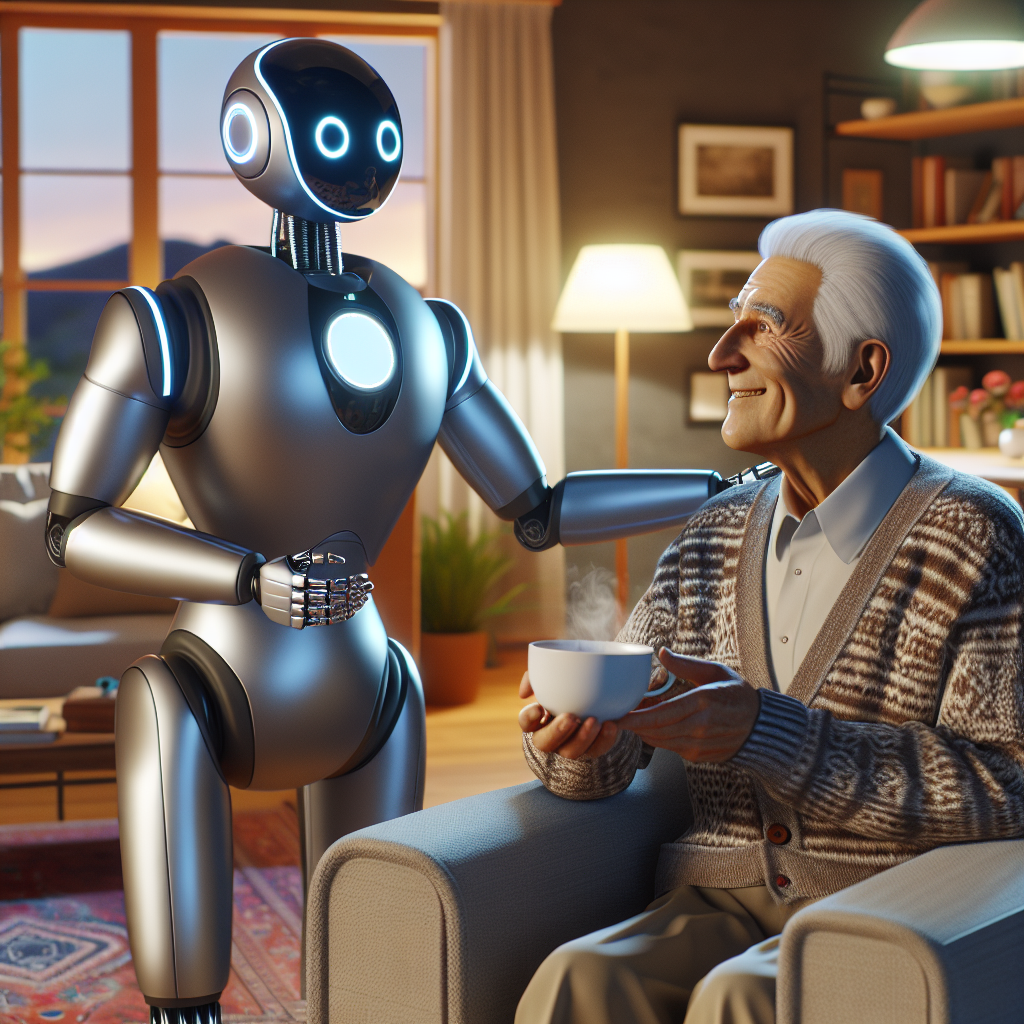
In healthcare, humanoid robots assist in patient care, physical therapy, and even companionship. For instance, robots like SoftBank’s Pepper provide emotional support to elderly patients, while others help with lifting and mobility tasks.
3. Retail and Hospitality
Robots equipped with conversational AI are improving customer experiences in retail stores and hotels. They can provide product information, process payments, and even assist with room service.
4. Disaster Response
Humanoids are also being deployed for search-and-rescue missions. Their ability to navigate rubble and hazardous environments makes them invaluable during natural disasters or accidents.
5. Education and Entertainment
From teaching STEM concepts to entertaining crowds with dance routines, humanoid robots are engaging audiences in unique ways. They’re also being used as learning companions for children with special needs.
Visual Highlights
Humanoid robots captivate not only because of their functionality but also their design and interaction capabilities. Let’s visualize some key scenarios:
- Robots interacting with humans in collaborative settings, such as a robot and human team assembling furniture.
- A futuristic retail store with humanoid robots assisting customers at self-checkout counters.
Conclusion
Humanoid robotics is no longer the realm of science fiction. These advanced machines are solving real-world problems, improving efficiency, and enhancing quality of life. With rapid advancements in AI, materials science, and robotics, the future of humanoid robots is bright and full of potential.
As these technologies continue to mature, the question isn’t whether humanoid robots will impact our lives but how profoundly they will shape the way we live and work. Whether you're a robotics enthusiast or a professional, now is the perfect time to explore this exciting field.
Related Topics
- Tesla Optimus
- Boston Dynamics Atlas
- AI-powered motion control
- Human-robot interaction