Overview
Humanoid robotics is no longer confined to science fiction. Today, these robots are revolutionizing industries, from healthcare and manufacturing to education and entertainment. With cutting-edge advancements in artificial intelligence (AI), motion control, and human-robot interaction, humanoid robots are becoming increasingly capable of performing complex tasks in human environments.
In this blog, we’ll delve into the core technologies behind humanoid robotics, examine their impact across industries, and explore what the future holds for this transformative field.
Technology Breakdown
Humanoid robots are designed to replicate human form and behavior, enabling them to navigate and interact with the world as humans do. Several key technologies drive their development:
1. Artificial Intelligence (AI)
AI powers the cognitive abilities of humanoid robots, allowing them to:
- Recognize and process speech and images.
- Learn from their environment (machine learning).
- Make real-time decisions for autonomous actions.
For instance, Tesla’s Optimus robot leverages advanced AI algorithms to learn tasks like picking up objects or assembling components in factories.
2. Motion Control and Actuation
Humanoid robots rely on sophisticated motion control systems to mimic human-like movements. These systems include:
- Actuators: Motors that replicate the function of muscles.
- Sensors: Devices that detect balance, force, and position.
- Dynamic Control Algorithms: Software that ensures smooth and stable movements, even in complex or uneven environments.
Boston Dynamics’ Atlas robot exemplifies this with its ability to run, jump, and perform gymnastic feats.
3. Robotics Hardware and Materials
Advances in lightweight materials and compact hardware have made humanoid robots more agile and energy-efficient. Flexible joints, 3D-printed components, and compact batteries contribute to their enhanced capabilities.
4. Human-Robot Interaction (HRI)
For robots to work effectively alongside humans, they need intuitive interfaces. This includes:
- Natural Language Processing (NLP) for understanding human speech.
- Gesture Recognition for interpreting non-verbal cues.
- Facial Expression Analysis for emotional intelligence.
Industry Impact
Humanoid robots are transforming various sectors with their versatility and ability to adapt to human-centric environments. Let’s explore some key areas where they are making an impact:
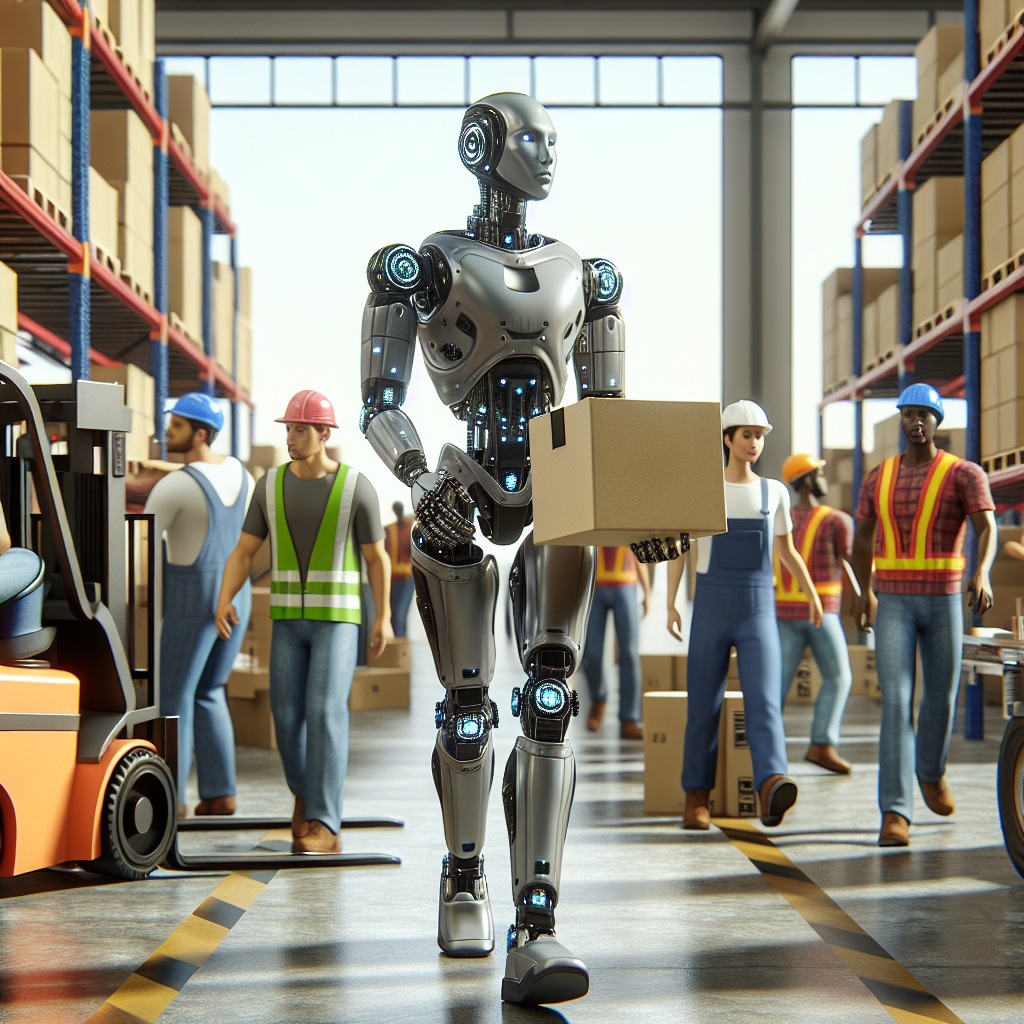
1. Manufacturing and Logistics
Humanoid robots like Tesla’s Optimus and Agility Robotics’ Digit are taking on labor-intensive tasks such as:
- Assembly line operations.
- Material handling and sorting.
- Operating in hazardous environments where human safety is at risk.
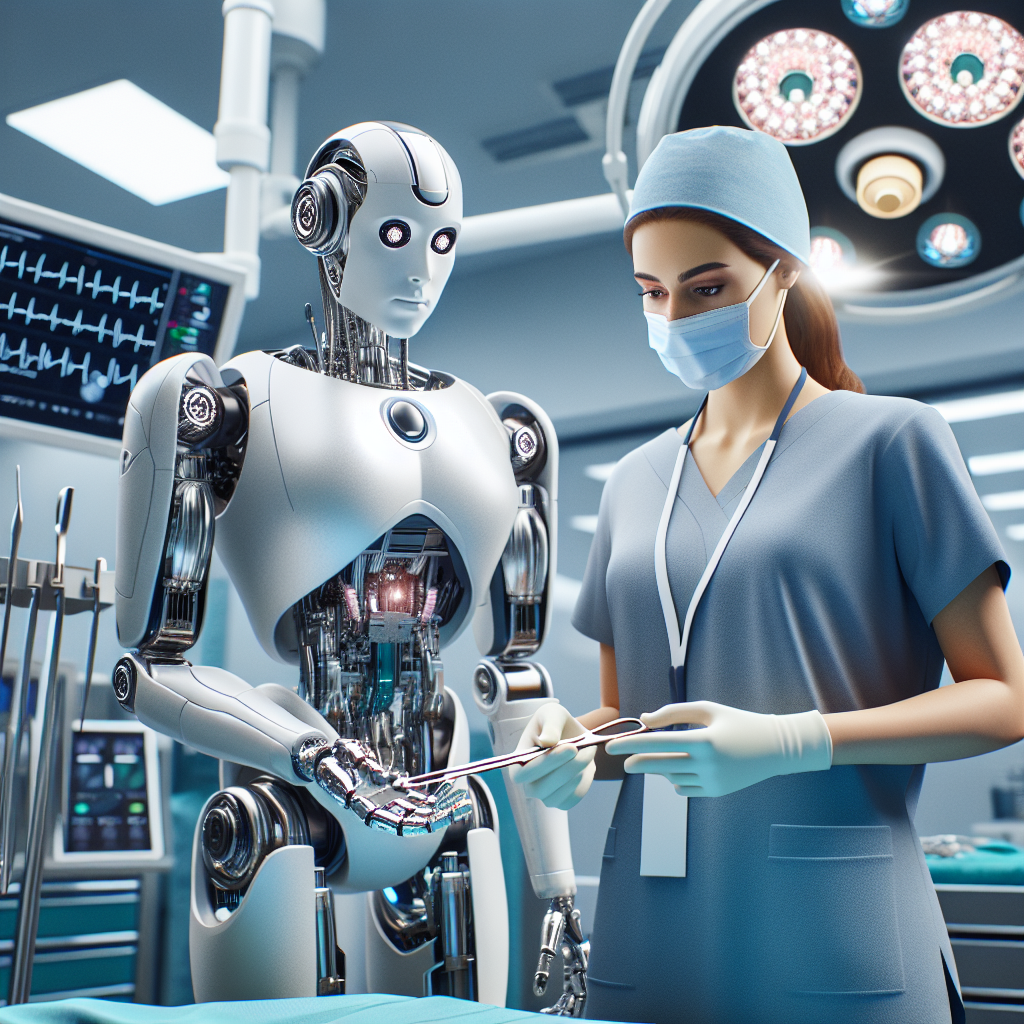
2. Healthcare
In healthcare, humanoid robots are being used for:
- Assisting in surgeries with high precision.
- Providing physical therapy and rehabilitation support.
- Offering companionship and care to elderly or disabled individuals.
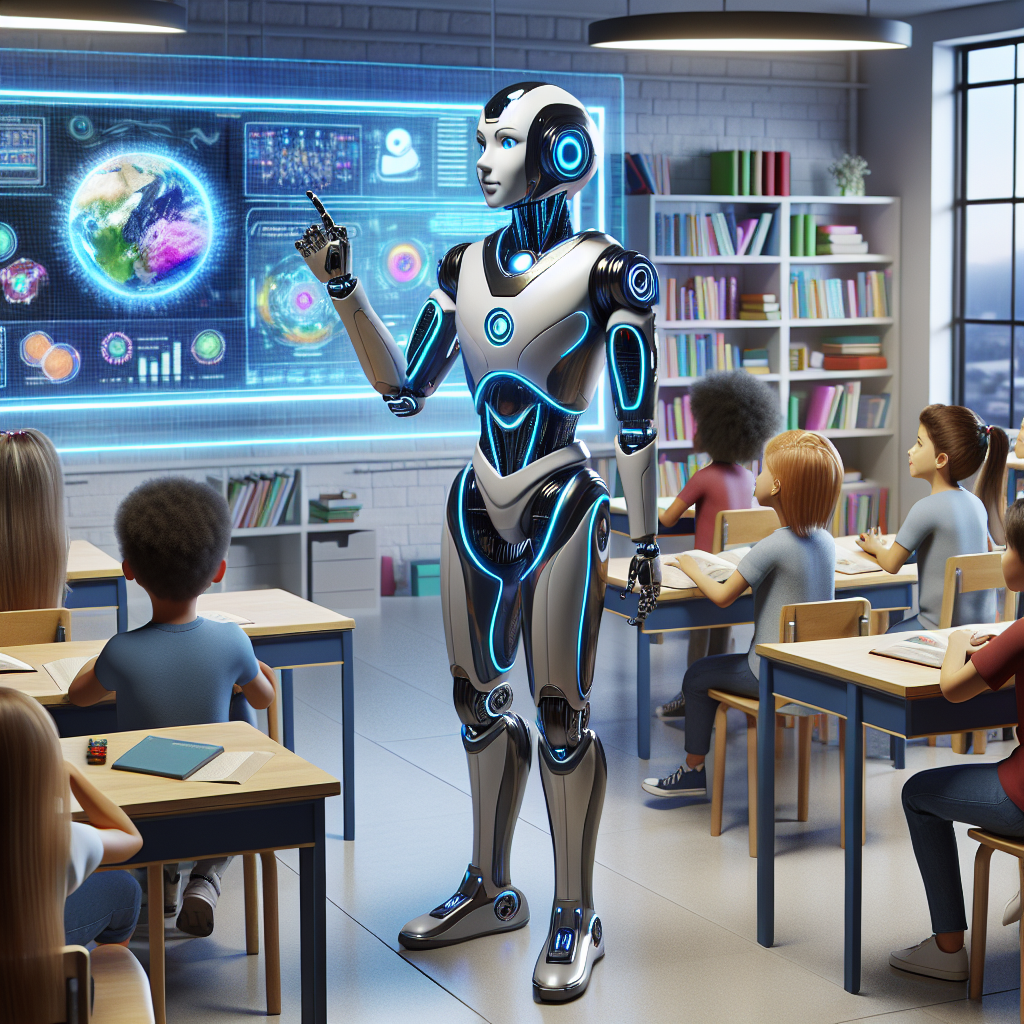
3. Education and Research
Humanoid robots serve as interactive tools in classrooms and labs, enabling:
- Hands-on STEM education.
- Research into human cognition and social behaviors.
4. Entertainment and Customer Service
From theme parks to shopping malls, humanoid robots are enhancing customer experiences by:
- Performing as entertainers or guides.
- Engaging customers in interactive conversations.
Visual Highlights
Humanoid robots are not just marvels of engineering; they are also visually stunning. Below are some examples of their capabilities:
- Dexterity: Robots like Unitree G1 demonstrate intricate hand movements, enabling them to handle delicate objects.
- Mobility: Boston Dynamics’ Atlas can perform parkour-like maneuvers, showcasing balance and agility.
- Expressiveness: Robots like Hanson Robotics’ Sophia use AI-powered facial expressions to engage in lifelike conversations.
Conclusion
Humanoid robotics is a rapidly evolving field with the potential to transform the way we live and work. From automating repetitive tasks to assisting in critical healthcare operations, humanoid robots are pushing the boundaries of what machines can achieve in human-centric environments.
As AI, hardware, and motion control technologies continue to advance, the future of humanoid robotics looks incredibly promising. Whether you’re a robotics enthusiast or a professional, staying informed about these developments is essential to understanding the next wave of innovation.
Related Topics
- Artificial Intelligence in Robotics
- Human-Robot Interaction
- Advanced Motion Control Systems